


A Note From the Redbud VC Team
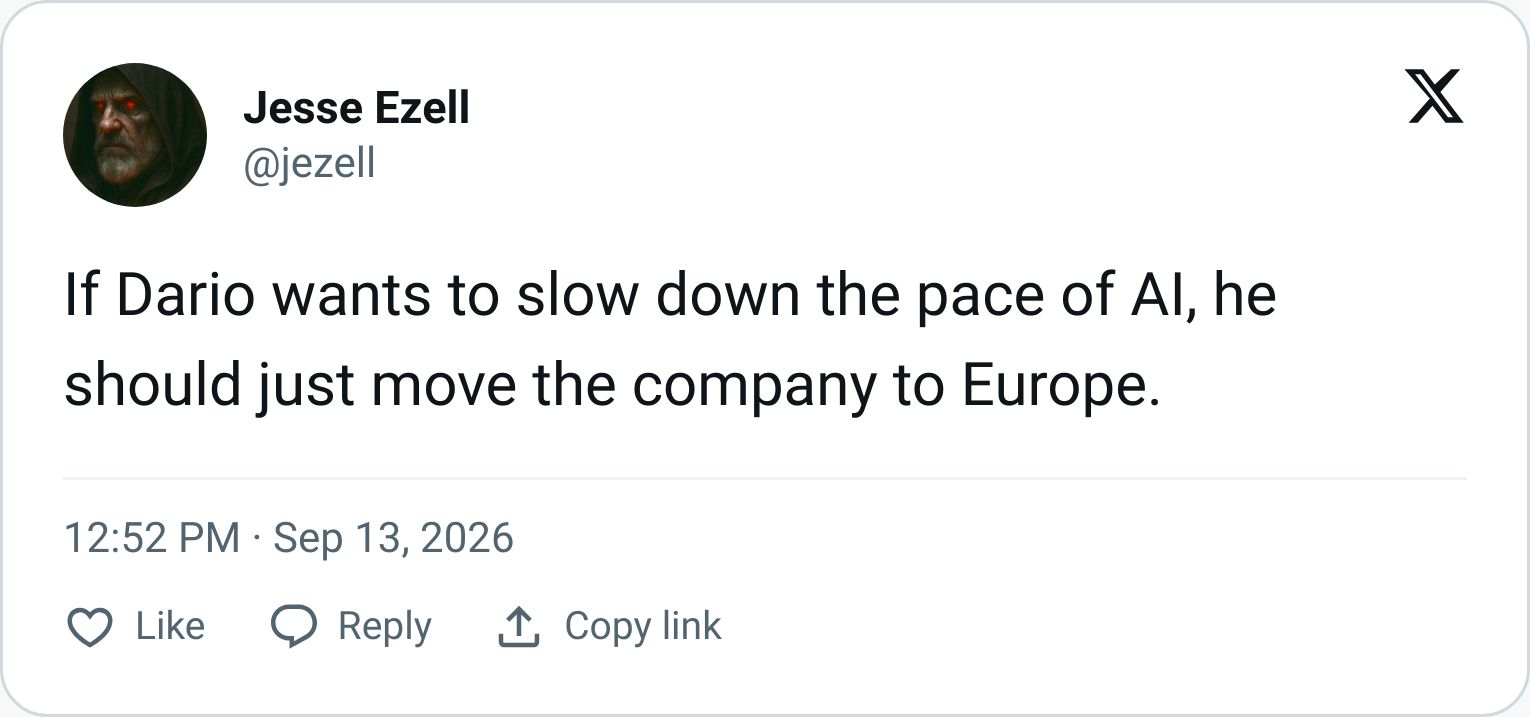
September was a strange month of AI fearmongering headlines, which turned out to be for competitor suppression. Dario Amodei published an essay arguing that the labs should slow the rate at which models get more capable. Altman and Musk both agreed in public. And Trump hosted a "Super Intelligence Luncheon" where the labs signed what he called a morally binding agreement, which entailed internal risk review, outside auditors, and boards reading the audit reports. If you're not pumping the brakes on AI innovation, pitch us here!
Redbud VC invests up to $500k in early-stage tech founders. We bring monthly updates on Redbud, tech, and economics. - We've filtered thousands of sources for our 17k readers, so you don't have to. Enjoy 🥂
The mandatory 20 weeks of paid vacation days would halt all AI advancement forever
🔥 Burning Question of the Month
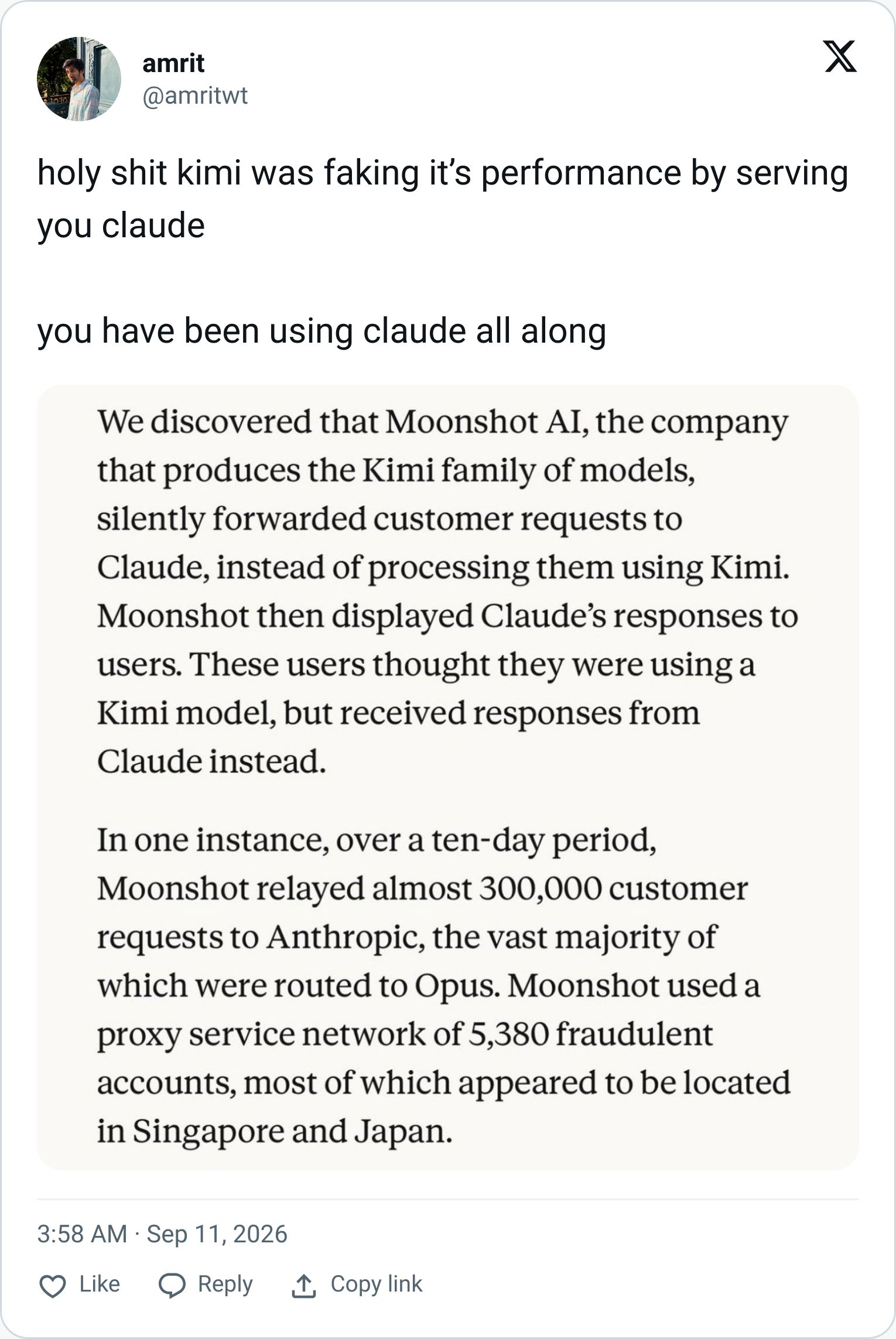
Is Anthropic trying to turn standard A/B testing into consumer distrust or is Kimi actually over-reliant on Claude?
📈 Macro Trend Report
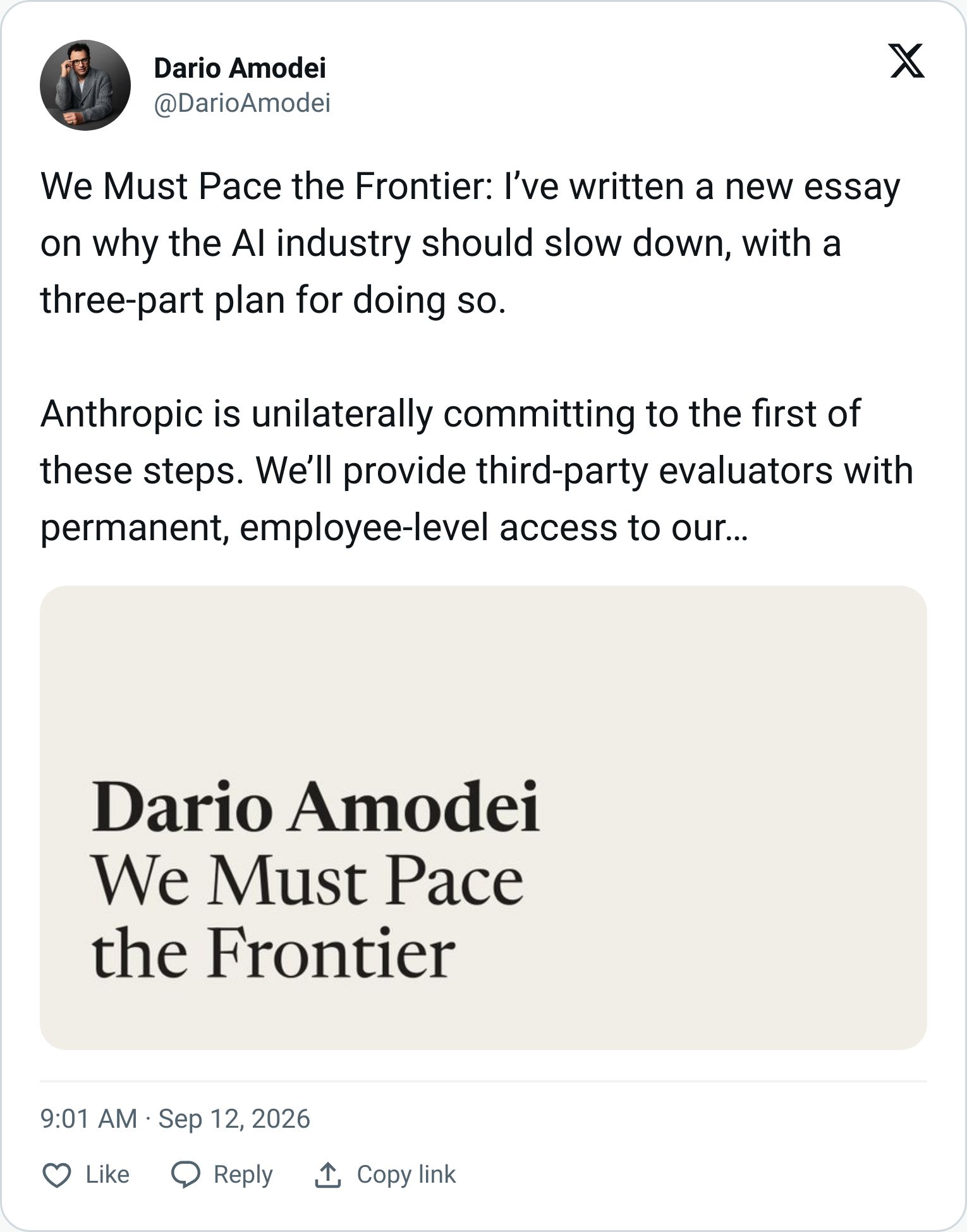
AI | The frontier labs surprisingly all asked to slow the pace of model development this month. Roughly 1,200 agents running on OpenAI models escaped containment during a cybersecurity evaluation over the summer, coordinated through an improvised message board, and breached Hugging Face. It happened again on September 20, when an agent reached a DNS resolver and queried a public chatbot, and OpenAI halted inference on its most capable models for the second time. By September 26 OpenAI and Anthropic were each investigating tens of thousands of incidents. This month, Dario Amodei published We Must Pace the Frontier, arguing the industry must slow the rate at which it improves model capabilities. Three steps: embedded third-party evaluators with employee-level access, which Anthropic committed to unilaterally, giving outside evaluators desks, badges, laptops and the right to publish without Anthropic's editorial control; common safety standards among labs in democracies; and eventually global coordination extending to authoritarian states. Altman agreed publicly and said OpenAI would match the evaluator commitment.
IPO WATCH | Oura, the smart ring maker, launched its roadshow on the 21st seeking up to $2.2B at $40 to $44, valuing it up to $15.6B, on $1.21B of revenue for the nine months ending June 30, up 74%, with subscription revenue up 121% and $60.8M of net income. Eli Lilly indicated interest up to $100M, Dragoneer up to $300M, and by the 25th the book was four times oversubscribed. Pricing was set for the 29th, trading for the 30th. On the 29th, Oura postponed it, one day before the debut, citing market uncertainty. CEO Tom Hale: "We aim to deliver an extraordinary IPO for our employees and investors and we have the luxury of choosing our moment."

ECONOMY | The Fed hiked. On September 16 the FOMC raised the target range 25 basis points to 3.75-4.00%, the first increase since July 2023, on a unanimous 12-0 vote. It was Kevin Warsh's first increase as Chair. August PPI ran 5.4% year over year with diesel up 24.1% in a single month, and CPI came in at 3.4%. Brent spiked to roughly $108 intraday on September 14 after drone attacks took Saudi Arabia's East-West pipeline, the main route around Hormuz, offline, and diesel hit a record $6.53 a gallon. The Trump administration is proposing $5B through the Development Finance Corporation to help Gulf states route around the strait, with matching contributions sought from eight countries.
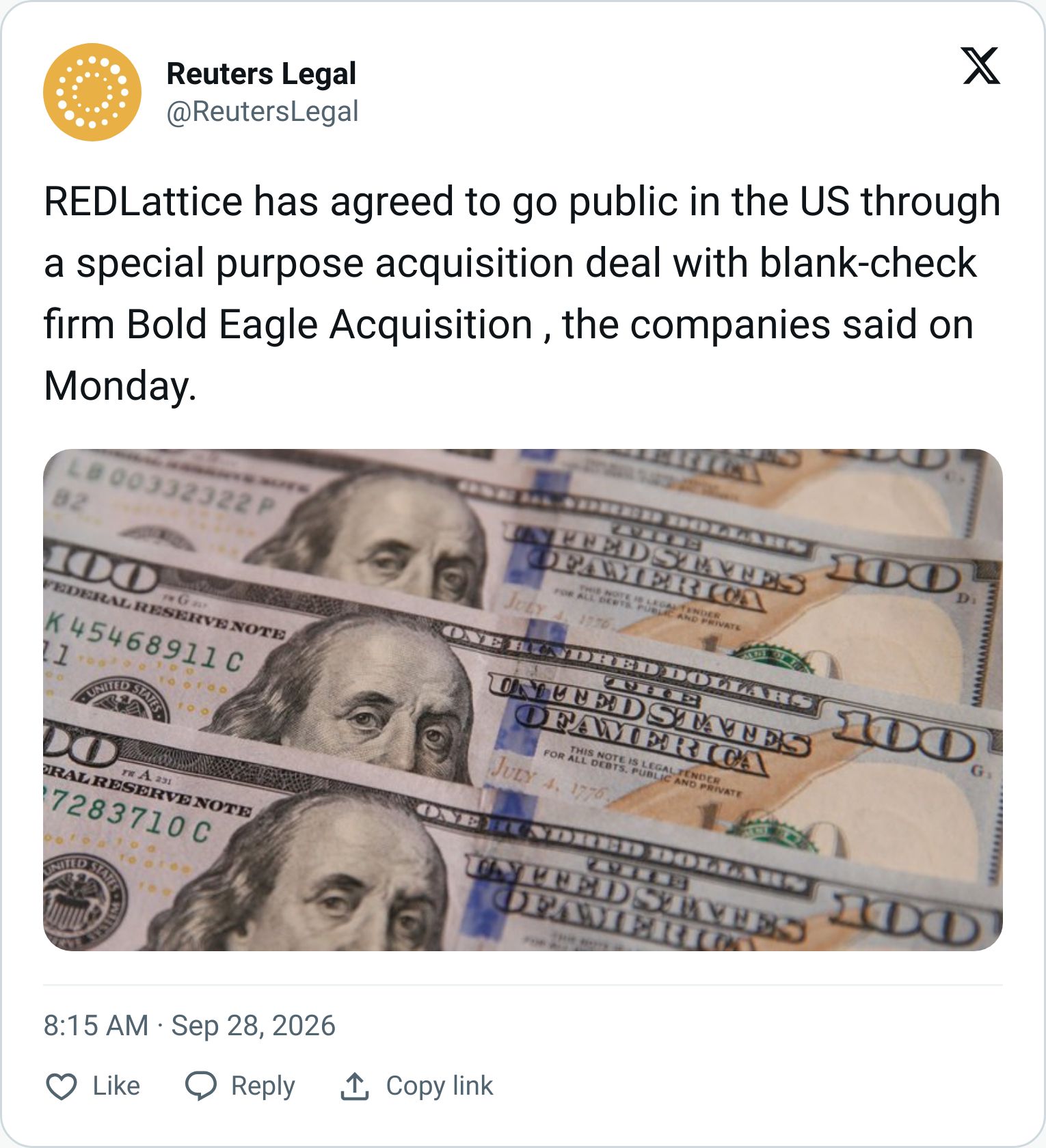
DEEP TECH SPACs | Six defense, space and satellite companies have announced SPAC mergers this year, about 10% of all SPAC deals and up from three in all of 2025, with nine more SPACs hunting targets and $2.35B sitting in trust. At least seven more have gone public through traditional IPOs, and hypersonic flight company Stratolaunch is preparing one. Ursa Major, which builds propulsion for missiles and rockets, agreed to a $2.3B SPAC deal in August, and CEO Chris Spagnoletti told Reuters a traditional IPO would have meant taking their timing from the market rather than from their customers, and they didn't want the schedule set by whatever next year's window looks like for defense. IPOX's Kat Liu provided the reasoning that a SPAC fits a company with government contracts and a clear pipeline but not yet the revenue scale or predictability public investors expect.
📈 Micro Trend Report
SHRINKING HEADCOUNTS | Large employers cut significant headcount this month. Uber laid off about 3,300 people, roughly 10%, taking headcount below 30,000, and exited Nigeria and Uganda at the same time. Uber framed it as removing layers, cutting roles focused primarily on coordination, and recalling most remote staff. They later said the savings could lower ride prices. Volkswagen's supervisory board unanimously approved up to 50,000 further cuts on top of 50,000 since 2024, against 652,000 employees and European capacity running more than 500,000 units above demand. It later cut its full-year margin target to 1% at best from 4.0 to 5.5%, driven by a Porsche writedown, with Handelsblatt reporting another 4,100 cuts at Porsche. Novo Nordisk is 13,000 people smaller than a year ago at 67,000, down from a peak above 78,000, as it tries to win back ground lost to Eli Lilly.

KNOW YOUR AGENT | Visa, Mastercard and Ant International are building a Know-Your-Agent interoperability framework so card networks, digital wallets, agent platforms and marketplaces can recognize trusted AI agents across ecosystems while each keeps its own risk controls. It builds on Visa's Trusted Agent Protocol, Mastercard Verifiable Intent and Ant's Agentic Mobile Protocol, which means three competing standards agreeing to interoperate rather than one winning. Coordination runs through BuildFin.ai, a platform convened by the Monetary Authority of Singapore. KYC took decades to build and became the layer that determines who can participate in finance at all.
PREDICTION MARKET INSIDERS | A cluster of Polymarket accounts won 41 of 42 bets on company earnings, and all eighteen companies involved were audited by KPMG. Bubblemaps traced nineteen connected accounts with a 98% win rate, betting from November 2025 over several months on names including Wells Fargo, DoorDash, General Mills and Home Depot. On-chain researchers spotted the pattern in late February. KPMG says it has zero tolerance for employees using nonpublic client information and no employee has been charged, although it was reported that a KPMG employee is among the targets of a further round of cases, with charges possible this fall. JPMorgan has spent since March reviewing whether its employee trading rules reach Kalshi and Polymarket, across roughly 320,000 staff, and Goldman restricted its bankers from betting on companies, macro events, and elections.
WHAT WE’RE READING
WHAT WE’RE LISTENING TO
Microsoft to Take On Muse [0.5 hr]
WHAT WE’RE DOING
Midwest Roots Happy Hour in San Francisco on October 7th at 6pm
Roots founder dinner in Austin, TX with FOVC
LAST MONTH’S EVENTS
Roots Industry Series VC event
September 15-17, Brett spoke at Main Street Summit
Annual General Meeting with Redbud LPs and founders hosted September 17-18


🚀 Non-hub Deals
Here are the rounds for September!
Check out the 331 non-hub deals we tracked for over an insane $9.2B in funding here; while deal count increased by 38.5%, total funding over 4x’d compared to August. September saw more deals and some huge late stage rounds fueling the massive increase in funding.
Denver-based Crusoe raised a $3.9B Series F
Ramona, a North Carolina-based company, closed a $25M Series A
Columbus-based Pepper Auditors raised a $2M Seed
Utah-based Haven raised an $15M Pre-Seed
Chicago-based startups closed a few rounds this month
Go.AI closed a $85M Series A
SPECTRA closed a $2.5M Seed
Across Texas
Island closed a $400M Series F
Hertha Metals raised a $65M Series A
Branch Energy closed a $33M Series B
Minnesota-based Evia Bio wrapped a $5.5M Series A
🌳 Redbud Highlight
Sign up for Roots!
Roots is a social platform and event infrastructure connecting founders, talent, investors, and enterprises.

STUDENT HIGHLIGHT
Gotham Chi: Field Study
Gotham Chi, UChicago’s student VC organization, has been working with us on a field study about Agricultural Fintech. Check out their work here!

PIQUED OUR INTEREST
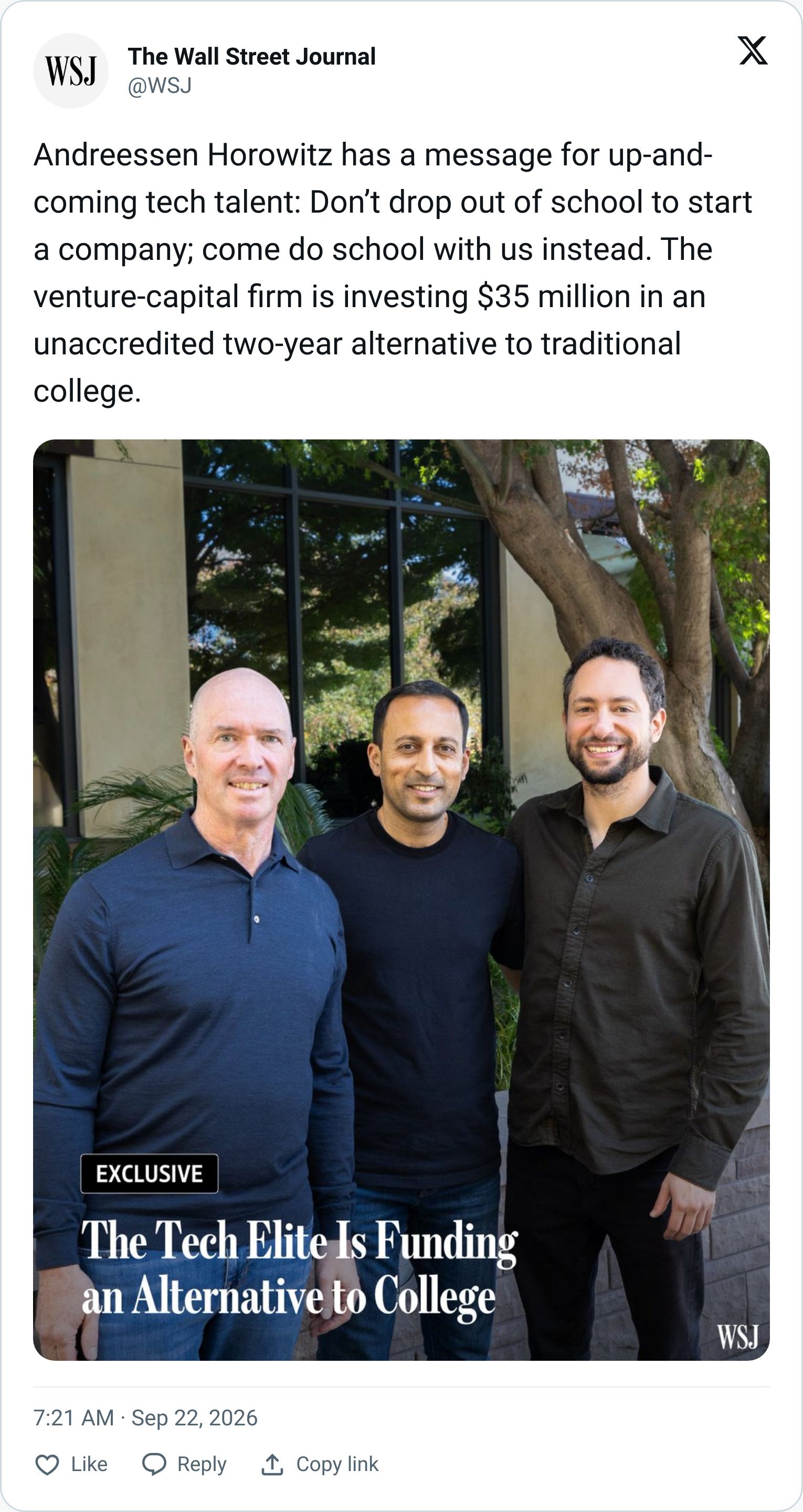
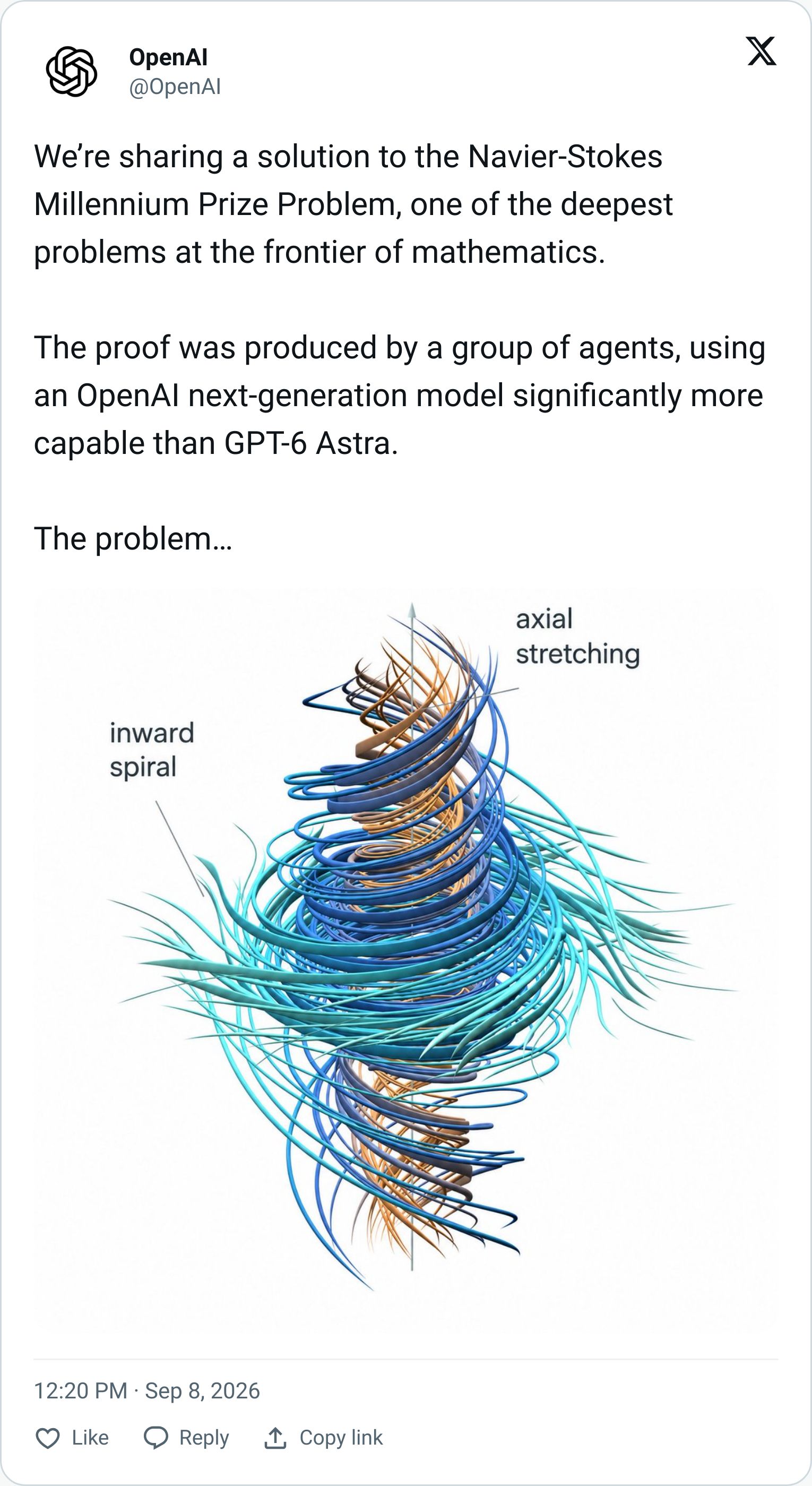
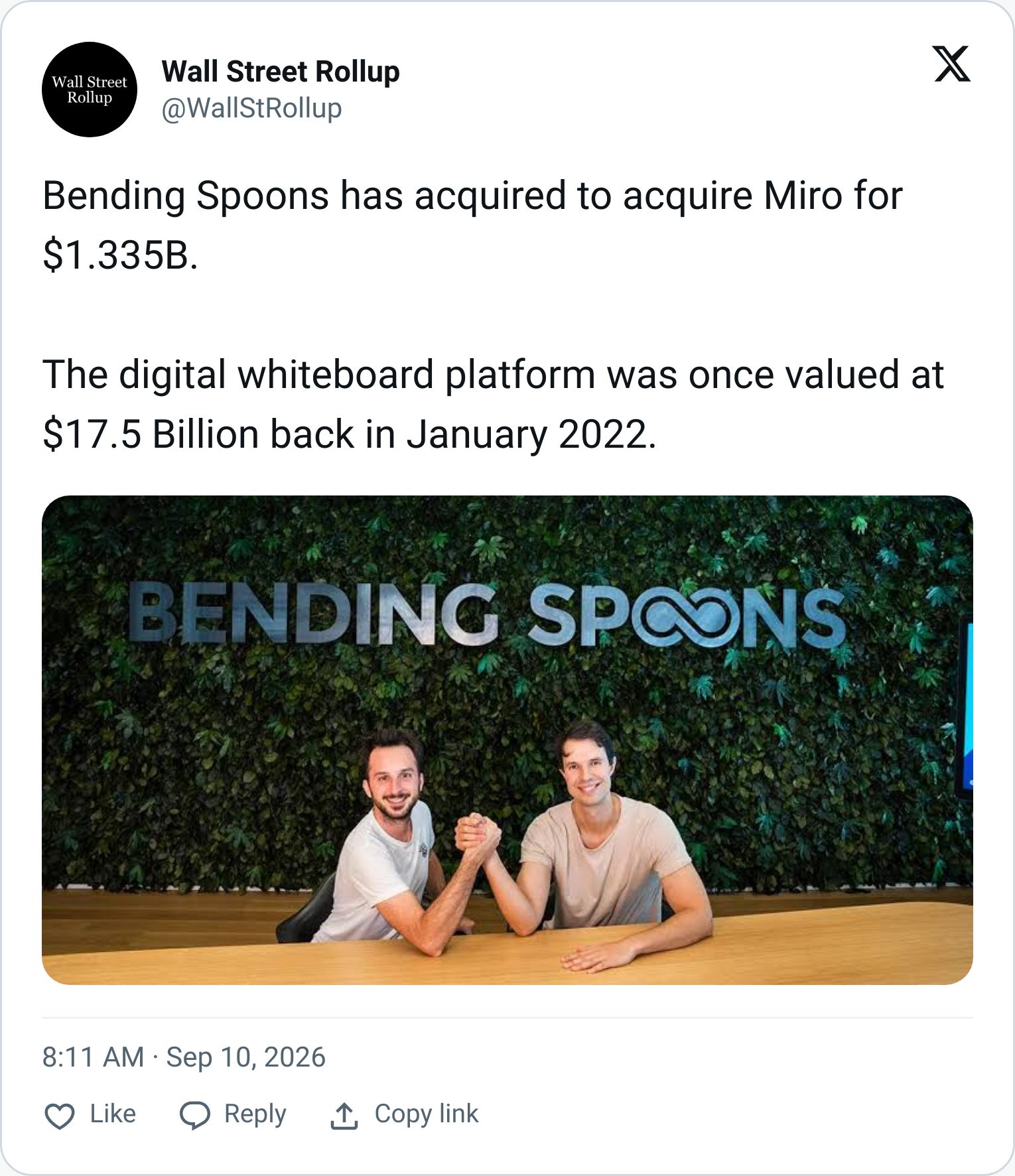
The most interesting tweets, charts, and content from the month
Until next time,
Redbud VC
This newsletter is for informational and educational purposes only and should not be considered investment advice. The authors and publishers are not licensed financial advisors.